
China’s GAC Enters Pakistan’s EV Market with Prices Starting at Rs6.39 Million

Pakistan’s electric vehicle market is continuing to grow as Chinese automotive giant GAC Group officially launches its EV lineup in the country through a partnership with Lucky Motor Corporation. The move marks another major step in the expansion of electric mobility in Pakistan, where rising fuel prices and increasing interest in cleaner transportation are reshaping […]
Pakistan’s FY27 Budget: Higher Taxes, IMF Pressure, and Limited Relief Ahead
Pakistan is preparing for another financially challenging year as the government reportedly plans to set an ambitious tax collection target of nearly Rs15.3 trillion in the upcoming FY27 budget. The move reflects continued pressure to stabilize the economy under the ongoing programmed with the International Monetary Fund (IMF), while also trying to manage inflation, public […]
Pakistan Pushes for Lower Taxes on Electric Vehicles Amid IMF Discussions

Pakistan is considering major incentives for electric vehicles (EVs) as the government looks to promote cleaner transportation and support the country’s growing auto industry. During recent discussions with the International Monetary Fund (IMF), the Ministry of Industries and Production proposed a reduced 1% General Sales Tax (GST) on electric vehicles instead of the 18% GST […]
Pakistan’s IT Industry Continues Impressive Export Growth

Pakistan’s technology sector is showing strong signs of progress as IT export earnings recorded another major increase in April 2026. According to data released by the State Bank of Pakistan (SBP), the country earned $423 million from IT and technology-related services during the month, highlighting the growing international demand for Pakistani digital expertise. The latest […]
IMF Reduces Pakistan’s Power Subsidy Target as Energy Reforms Gain Momentum
The International Monetary Fund (IMF) has lowered Pakistan’s projected electricity subsidy allocation for FY2026-27, signaling growing confidence in the country’s ongoing power sector reforms and efforts to control circular debt. Under the IMF’s latest review of Pakistan’s economic programmed, the allocation for power subsidies has been reduced from 0.7% of GDP to 0.6% of GDP, […]
Pakistan Plans Sweeping Trade and Market Reforms Under IMF Programmed
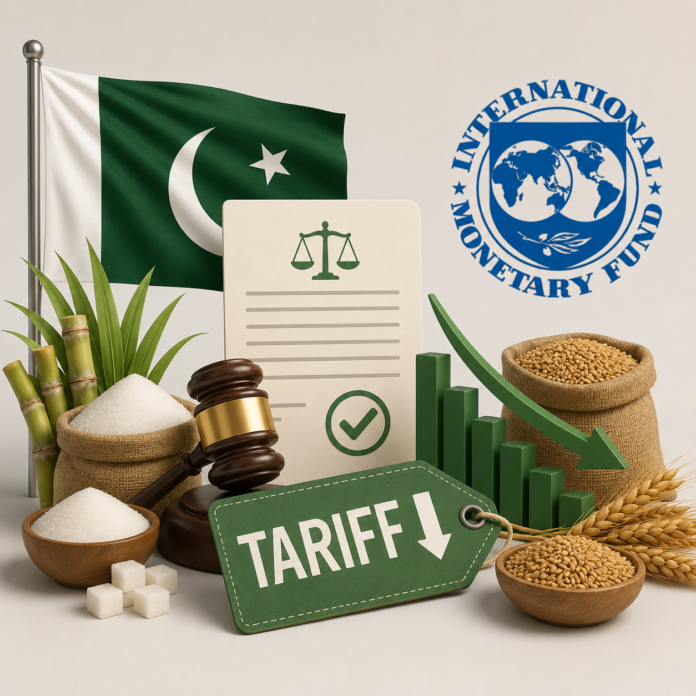
Pakistan is preparing to implement a new round of economic reforms as part of its commitments to the International Monetary Fund (IMF), with major policy changes expected in tariffs, agriculture, sugar trade, and the automobile industry. The reforms, outlined in the IMF’s latest programmed review, are aimed at reducing trade barriers, limiting government intervention in […]
Lahore High Court Declares Super Tax Inapplicable on Zero-Taxed Inherited Property Gains

In a major development for taxpayers and the real estate sector, the Lahore High Court (LHC) has ruled that super tax under Section 4C of the Income Tax Ordinance, 2001, cannot be charged on capital gains arising from inherited property when the applicable capital gains tax rate is already set at zero per cent. The […]
Uncertainty Over Super Tax Continues Ahead of Pakistan’s FY27 Budget
As Pakistan moves closer to announcing the FY2026-27 federal budget, uncertainty surrounding the future of the Super Tax continues to worry the business community. During a recent meeting of the Senate Standing Committee on Finance, government officials avoided giving a clear answer on whether the tax would be removed or retained in the upcoming budget. […]
China’s Digital Expansion into Pakistan Could Redefine Regional Trade
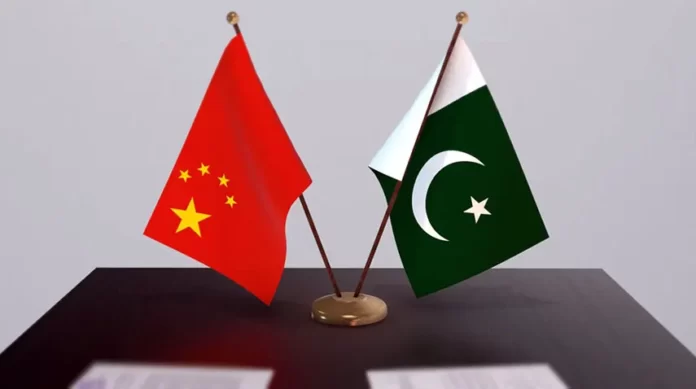
Pakistan is taking another major step toward digital economic transformation as a leading Chinese technology and industrial e-commerce group prepares to establish its Digital Economy Headquarters in the country. The initiative is expected to unlock more than $10 billion in trade opportunities while opening new doors for Pakistani small and medium-sized enterprises (SMEs) to enter […]
Pakistan Tightens Tax Registration Rules for International NGOs
Pakistan’s tax authorities are preparing to introduce stricter registration and documentation requirements for international non-government organizations (INGOs) operating in the country. The proposed changes are part of broader efforts to improve transparency, strengthen regulatory oversight, and streamline compliance procedures within the non-profit sector. The Federal Board of Revenue (FBR) has issued draft amendments to the […]
Pakistan and the US Explore New Opportunities for Economic Cooperation
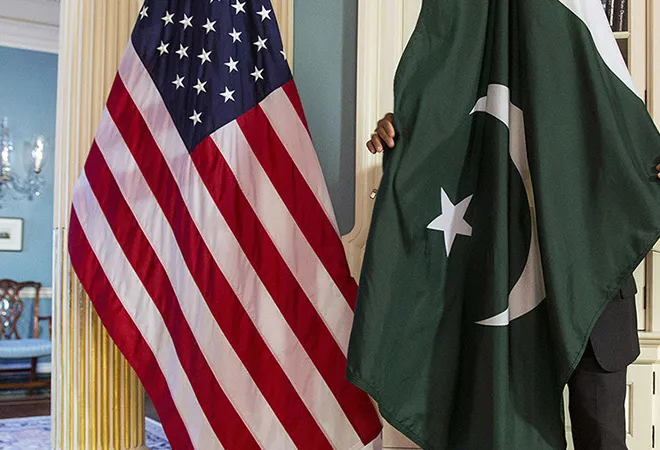
Pakistan and the United States are showing renewed interest in strengthening their economic relationship as both countries engage in discussions focused on investment, reforms, and future business opportunities. Recent meetings between senior US officials and Pakistan’s finance leadership highlighted a growing willingness on both sides to deepen commercial cooperation. The discussions reflected increasing international attention […]
Pakistan Moves Toward Refurbished Vehicle Re-Export Industry as FBR Plans EFS Changes

Pakistan is preparing to open a new chapter in its export and automotive sectors as the Federal Board of Revenue (FBR) works on amendments to the Export Facilitation Scheme (EFS) 2021. The proposed changes are aimed at supporting the government’s upcoming refurbished vehicle import and re-export initiative. The plan is designed to allow businesses to […]
NEPRA Reviews K-Electric’s Rs58 Billion Tariff Adjustment Requests

The National Electric Power Regulatory Authority (NEPRA) has completed a public hearing on major financial claims submitted by K-Electric under its Multi-Year Tariff (MYT) framework for FY2017–2023. The total amount under consideration exceeds Rs58 billion and includes tariff adjustments, tax-related recoveries, and pending power purchase costs. The hearing focused on K-Electric’s request for End-of-Term Adjustments […]
Pakistan’s IT Sector Set for Record Growth as Digital Transformation Gains Pace

Pakistan’s technology industry is entering a new phase of growth, with the country expected to achieve nearly $4.6 billion in IT exports during the current fiscal year. The projection reflects the government’s increasing focus on digital development, innovation, and technology-driven economic expansion. During a recent review meeting of the Ministry of Information Technology and Telecommunication […]
Government Prepares Major Reforms to Reduce Tax Litigation in Pakistan
The federal government is moving toward significant reforms in Pakistan’s tax dispute system as the number of pending cases involving the Federal Board of Revenue continues to rise sharply. Authorities are now considering the formation of a scrutiny committee to examine tax appeals before they are filed in courts, with the goal of discouraging unnecessary […]
Pakistan Eyes Chinese Capital Markets with Historic Panda Bond Launch

Pakistan is preparing to enter China’s domestic debt market for the very first time through a Panda bond issuance worth around $250 million. The move represents a major step in the country’s efforts to diversify its external financing sources and strengthen economic stability amid ongoing global and regional challenges. Finance Minister Muhammad Aurangzeb announced that […]
ECC Clears Vehicle Re-Export Plan to Encourage Investment and Export Growth

Pakistan has approved a new policy aimed at developing an export-focused vehicle refurbishment industry after the Economic Coordination Committee (ECC) gave the green light to a framework for importing, refurbishing, and re-exporting used vehicles and auto parts. The initiative is expected to open new investment opportunities in the automotive sector while helping the country increase […]
FIA Questions Pakistan’s Oil Price Compensation System Amid Allegations of Irregular Claims

Pakistan’s fuel pricing system has come under fresh scrutiny after the Federal Investigation Agency (FIA) raised serious concerns about the mechanism used to compensate oil marketing companies (OMCs) during recent fluctuations in petroleum prices. An interim inquiry report prepared by FIA’s Anti-Corruption Circle in Karachi has described the current price differential compensation framework as deeply […]
Lahore High Court Expands Legal Powers of Overseas Pakistanis Property Courts

In a landmark decision, the Lahore High Court has clarified that special property courts established for overseas Pakistanis can hear a much wider range of disputes than previously understood. The ruling, delivered by Justice Anwaar Hussain, strengthens the role of special tribunals formed under the Punjab Establishment of Special Courts (Overseas Pakistanis Property) Act, 2025. […]
Pakistan Sets New Record in Company Registrations During April 2026

Pakistan witnessed a historic rise in business registrations in April 2026, marking a major milestone for the country’s corporate sector and economic documentation efforts. According to the Securities and Exchange Commission of Pakistan, a record-breaking 4,082 companies were incorporated during the month — the highest monthly total ever recorded in the country. The latest figures […]