
FBR Relaxes E-Invoicing Rules: Businesses Can Now Use Multiple Integrators
In a significant move to improve the implementation of digital tax systems, the Federal Board of Revenue (FBR) has introduced greater flexibility in its e-invoicing framework. Through its latest directive, Sales Tax General Order No. 01 of 2026 (IR Operations), the tax authority has responded to concerns raised by businesses and streamlined certain compliance requirements. […]
Digital Tax Reform: Pakistan’s Plan to Modernize Revenue Collection with ADB Support

Pakistan is exploring a major step toward reforming its tax and customs system by seeking a $200 million loan from the Asian Development Bank (ADB). The initiative signals a shift in strategy—from relying heavily on new taxes to improving how existing revenues are collected and managed. The proposed programmed, “Transforming and Digitalizing Revenue Administration,” […]
Pakistan’s Next Budget: Tough Choices as IMF Pushes for Higher Taxes
As Pakistan moves closer to finalizing its budget for the fiscal year 2026–27, negotiations with the International Monetary Fund (IMF) are once again at the center of economic policymaking. The latest discussions reveal a familiar tension: the IMF is pressing for stronger revenue measures, while Pakistani authorities are trying to balance fiscal discipline with economic […]
FBR Calls Out Lax Handling of Foreign Petroleum Case: A Push for Accountability
Pakistan’s tax administration is once again under the spotlight as the Federal Board of Revenue (FBR) raises serious concerns over how a complaint involving a foreign petroleum firm was handled by the Corporate Tax Office Islamabad. The development highlights deeper issues around procedural discipline, accountability, and the importance of maintaining credibility in the eyes of […]
A Step Toward Stability: Pakistan and Iran Ease Maritime Passage Through Hormuz

In a positive diplomatic development, Iran has agreed to expand access for Pakistani vessels passing through the Strait of Hormuz—one of the world’s most strategically significant waterways. Under the new arrangement, 20 additional Pakistani ships will be allowed transit, with two vessels scheduled to pass through the route each day. This decision comes at a […]
IMF–Pakistan Deal: Relief with Responsibility
Pakistan has once again entered into an agreement with the International Monetary Fund (IMF), securing a financial package worth $1.2 billion. While this development offers short-term economic relief, it also underscores the country’s ongoing struggle to stabilize its finances and strengthen its revenue system. A central condition of this agreement is Pakistan’s commitment to recover […]
IMF’s $1.2 Billion Support for Pakistan: Relief Today, Challenges Tomorrow
Pakistan has moved a step closer to securing fresh financial support, as the International Monetary Fund (IMF) reached a staff-level agreement to release around $1.2 billion in funding. While this development offers much-needed breathing space for the country’s fragile economy, it also comes with a clear message: the road ahead remains uncertain, especially amid rising […]
FBR Moves to Address Karachi Businesses’ Concerns: Promises, Pressure, and the Road Ahead
Pakistan’s business community—especially in Karachi—has long struggled with tax-related delays and procedural inefficiencies. In a recent development, the head of the Federal Board of Revenue (FBR), Rashid Mahmood Langrial, has stepped in with directives aimed at resolving these persistent issues more quickly. His visit to the Karachi Chamber of Commerce and Industry brought these concerns […]
Wheat Procurement, Falling Prices, and Policy Gaps: A Critical Moment for Pakistan’s Farmers

Pakistan’s agricultural sector is once again at a crossroads. As the federal government prepares for a large-scale wheat procurement drive, concerns are mounting over timing, implementation, and the broader challenges farmers are already facing across multiple crops. The government plans to procure 6.5 million tons of wheat at a Minimum Support Price (MSP) of Rs3,500 […]
Punjab’s Rs60 Billion Development Drive Signals Shift Toward Transparent Governance and Urban Renewal

Punjab has taken a major step in advancing its development agenda, securing bids worth Rs60 billion for 94 infrastructure projects under the Punjab Development Programmed (PDP). The scale of this initiative reflects a strong push by the provincial government to modernize urban areas while improving transparency in how public funds are allocated. A key feature […]
Islamabad High Court Clarifies Tax Treatment of Property Sale Gains

A recent ruling by the Islamabad High Court has brought much-needed clarity to how gains from the sale of immovable property should be taxed in Pakistan. The decision settles an ongoing debate by confirming that such gains fall strictly under the specific capital gains provision of the tax law, rather than being treated as general […]
Pakistan, the IMF, and a World on Edge: Why Global Tensions Are Reshaping Economic Reality
As global tensions rise, particularly in the Middle East, economic shockwaves are being felt far beyond the region. One country closely watching these developments is Pakistan, currently engaged in critical discussions with the International Monetary Fund (IMF). These talks are part of an ongoing review tied to financial support programs that are vital for stabilizing […]
Rethinking Taxes to Revive Pakistan’s Stock Market

As Pakistan moves closer to announcing its federal budget for 2026–27, new recommendations from the Pakistan Stock Brokers Association have brought renewed focus to the role of taxation in shaping the country’s capital markets. The central question is straightforward: can tax reforms encourage investment, strengthen the stock exchange, and support broader economic growth? A major […]
Government Extends Relief on Sugar Imports to Ease Market Pressure

Pakistan has taken another step to manage rising food prices by continuing tax concessions on sugar imports. The Federal Board of Revenue (FBR) has officially prolonged the deadline for reduced taxes and duty exemptions on imported sugar until February 28, 2026. This decision is part of a broader effort to maintain adequate supply in the […]
Pakistan Revises Cargo Rules and Expands Storage at Port Qasim to Tackle Gulf Disruptions
Amid rising uncertainty in the Gulf region, Pakistan has moved swiftly to protect its trade operations by updating cargo handling procedures and expanding storage capacity at one of its key ports. The initiative reflects an effort to keep goods flowing efficiently while tightening oversight on international shipments. The Federal Board of Revenue has introduced amendments […]
SECP Tightens Oversight on State-Owned Enterprises: A Push for Transparency and Better Governance

Pakistan’s corporate regulator, the Securities and Exchange Commission of Pakistan (SECP), has taken a firm stance against non-compliance in the state-owned enterprise (SOE) sector. In a recent development, dozens of government-owned companies have come under scrutiny for failing to meet basic legal and governance requirements. At the heart of the issue is a widespread failure […]
NAB Challenges LHC Decision in Chaudhry Sugar Mills Case
A new legal dispute has emerged between Pakistan’s accountability watchdog and the judiciary after the National Accountability Bureau (NAB) challenged a ruling of the Lahore High Court (LHC) regarding the Chaudhry Sugar Mills case involving Punjab Chief Minister Maryam Nawaz. The controversy centers on whether NAB must formally present a reference in an accountability court […]
Oil Shock and Pakistan’s Fragile Economy: A Storm on the Horizon
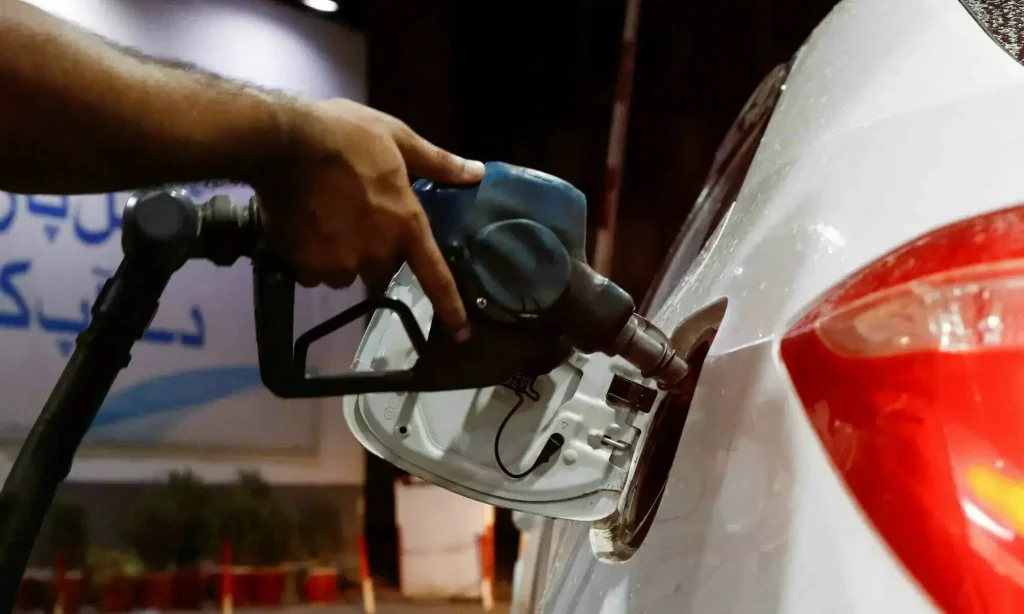
Global conflicts often send shockwaves through economies far beyond the battlefield, and Pakistan may once again find itself among the most vulnerable. With oil prices climbing toward the $100 mark amid escalating tensions in the Middle East, economists warn that Pakistan’s already delicate economic recovery could face another serious setback. Former finance minister Hafiz Pasha […]
SECP Greenlights New Annuity Products to Boost Retirement Income Security

The Securities and Exchange Commission of Pakistan (SECP) has taken a significant step toward improving financial security for retirees in Pakistan by approving a range of new annuity products. These offerings are expected to strengthen the country’s retirement system by helping individuals convert their accumulated savings into stable and predictable income after they leave the […]
Building a Stronger Tax Culture in Punjab
The Punjab Revenue Authority (PRA) is preparing to introduce a province-wide awareness campaign aimed at reducing tax evasion and encouraging citizens to play a more active role in ensuring tax compliance across Punjab. The initiative reflects the government’s growing focus on improving transparency and strengthening the province’s revenue system. The campaign is expected to begin […]