
FBR Introduces Rs80 Per Litre FED on Three Petroleum Products
The Federal Board of Revenue (FBR) has introduced a new Federal Excise Duty (FED) of Rs80 per litre on three petroleum-related products, effective from July 1, 2026. The move has been introduced under amendments made through the Finance Act 2026 and is primarily aimed at preventing the misuse and adulteration of petroleum products. The new […]
Pakistan Nears IMF Review With Most Targets on Track
Pakistan is heading toward the International Monetary Fund’s (IMF) September 2026 review with most of its key programmed targets expected to be on track. According to Arif Habib Limited (AHL), six of the seven quantitative performance criteria are likely to have been met at the March and June 2026 test dates. The IMF review will […]
SBP Earnings Slide 20% to Rs1.99 Trillion in FY26 Amid Lower Interest Income
The State Bank of Pakistan (SBP) ended fiscal year 2025-26 with a substantial but lower profit, as falling earnings from its financial assets weighed on its overall income. The central bank reported a net profit of Rs1.99 trillion for FY26, down from Rs2.499 trillion a year earlier. The decline of roughly Rs506 billion represents a […]
Saudi Investors Show Growing Interest in Pakistan’s Key Economic Sectors
Pakistan’s efforts to attract foreign investment have received another boost with the arrival of a high-level Saudi business delegation seeking opportunities in several major areas of the economy. Led by Prince Mansour bin Mohammad Al Saud, Chairman of the Saudi-Pakistan Joint Business Council, the delegation visited the Special Investment Facilitation Council (SIFC) for discussions with […]
Pakistan Remittance Scheme Faces Funding Pressure as Senate Raises Wider Financial Concerns

Pakistan’s efforts to encourage overseas Pakistanis to send money home are facing a new financial challenge after the government reduced its support for the Pakistan Remittance Initiative (PRI) because of budgetary pressures. The issue came under discussion during a meeting of the Senate Standing Committee on Finance and Revenue, where officials from the State Bank […]
Pakistan Moves Toward a Dedicated Venture Capital Framework for Startups
Pakistan is preparing to introduce a dedicated legal framework for venture capital investment, with the Securities and Exchange Commission of Pakistan (SECP) sharing a proposed Venture Capital Bill with the Board of Investment (BOI). The initiative is aimed at addressing one of the major challenges faced by Pakistani startups: limited access to investment capital. The […]
Pakistan Faces Fresh Inflationary Pressure as August CPI Expected to Cross 10%

Pakistan’s inflation outlook is showing renewed signs of pressure, with consumer prices expected to return to double-digit growth in August 2026 after briefly remaining below the 10% mark in July. Market analysts believe rising food and transportation costs will be the biggest contributors to the expected increase. AKD Research has estimated August inflation at around […]
DISCO Privatization Plan: Rs911 Billion Asset Transfer Raises IMF Compliance Concerns

The federal government’s plan to restructure and eventually privatize three major electricity distribution companies has come under scrutiny over its potential implications for Pakistan’s commitments to the International Monetary Fund (IMF). The restructuring involves Faisalabad Electric Supply Company (FESCO), Gujranwala Electric Power Company (GEPCO), and Islamabad Electric Supply Company (IESCO). The Cabinet Committee on Privatization […]
FBR Clarifies Revised Sales Tax Rules for Manufacturers and Importers
The Federal Board of Revenue (FBR) has introduced important clarifications regarding the collection and assessment of sales tax on certain goods covered under Serial No. 65 of the Third Schedule to the Sales Tax Act, 1990. The clarification was issued through Sales Tax General Order No. 19 of 2026, with the aim of removing uncertainty […]
Pakistan and Oman Move Closer to a New Fuel Supply Partnership
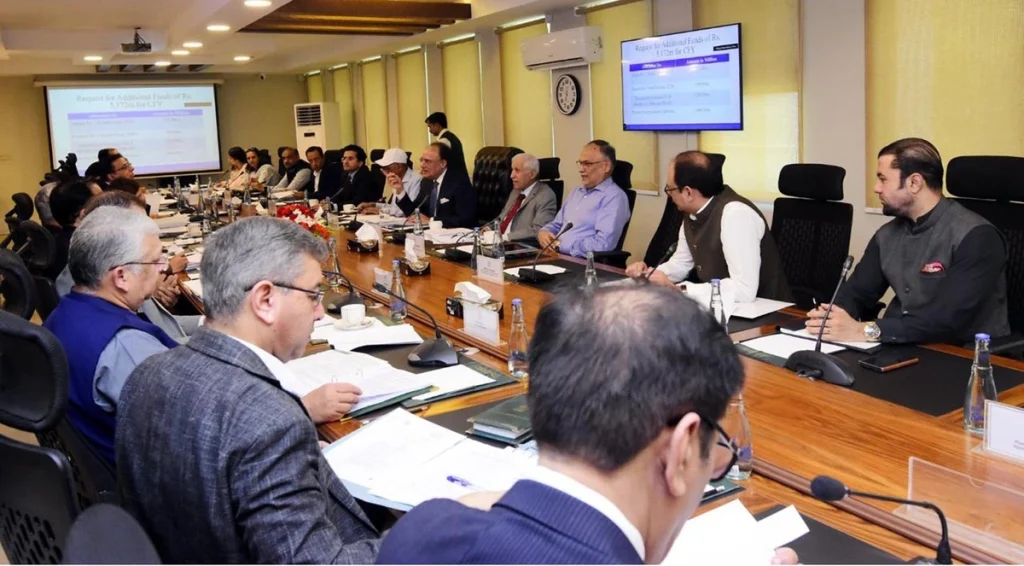
Pakistan is taking steps to strengthen its energy security by expanding fuel supplies from Oman. The Economic Coordination Committee (ECC) of the Cabinet is expected to consider a proposed sale and purchase agreement between Pakistan State Oil (PSO) and OQ Trading Limited of Oman. The proposed arrangement comes as Pakistan looks to diversify its sources […]
SBP Eases Housing Finance Rules, Extends Maximum Loan Tenor to 30 Years
The State Bank of Pakistan (SBP) has introduced significant changes to the country’s housing-finance framework, giving prospective homeowners greater flexibility in obtaining financing. The revised prudential regulations apply to banks and Development Finance Institutions (DFIs) and have taken effect immediately. One of the most notable changes is the extension of the maximum housing-finance repayment period […]
Pakistan May Introduce Fixed Tax on Agricultural Land Amid IMF Pressure

Pakistan could be heading toward a major change in the way agricultural income is taxed, with the federal government reportedly considering a fixed levy of up to Rs5,000 per acre if provinces fail to achieve their agreed revenue targets. The proposal comes as Islamabad works to meet commitments under its programmed with the International Monetary […]
Pakistan’s Freelance Economy Starts FY2026-27 With Strong Export Growth

Pakistan’s freelance economy has begun the new fiscal year on a promising note, with export earnings from freelancers recording a sharp increase in July 2026. According to data from the State Bank of Pakistan, freelance export receipts reached $175.4 million, marking a 45.5% increase compared with the same month last year. In July 2025, freelancers […]
PIA Privatization: Why Taxpayers Are Still Paying the Price
Pakistan’s privatization of Pakistan International Airlines (PIA) may have transferred control of the national carrier to a private investor, but the government’s financial responsibilities have not ended. A significant portion of PIA’s old debt remains with the public sector, leaving taxpayers to shoulder the cost of servicing those liabilities. According to a report by The […]
Pakistan’s Textile Exports Jump to $1.81 Billion in July 2026

Pakistan’s textile industry began the new fiscal year on a strong note, with textile exports reaching $1.81 billion in July 2026, according to provisional data from the Pakistan Bureau of Statistics (PBS). The latest figures represent a 43.13% increase from June, when textile exports stood at $1.27 billion. Compared with July 2025, exports were also […]
FBR Highlights New Tax Return Features for Property and Business Reporting
The Federal Board of Revenue (FBR) has provided tax professionals with a detailed look at several features of its income tax return system, focusing on tools that allow taxpayers to report property investments, business capital and inherited assets more effectively. The demonstration was conducted during an online consultation with the Karachi Tax Bar Association (KTBA). […]
LSE SPAC-II Plans Rs180 Million Investment in M.P. Industries
LSE SPAC-II Limited has moved forward with plans to acquire a significant minority interest in M.P. Industries Limited (MPIL), with the proposed transaction now awaiting approval from the company’s shareholders. According to a notice submitted to the Pakistan Stock Exchange (PSX), the board of directors has recommended investing approximately Rs180 million in MPIL following the […]
Pakistan’s Refinery Sector Set for $5 Billion Modernization Drive
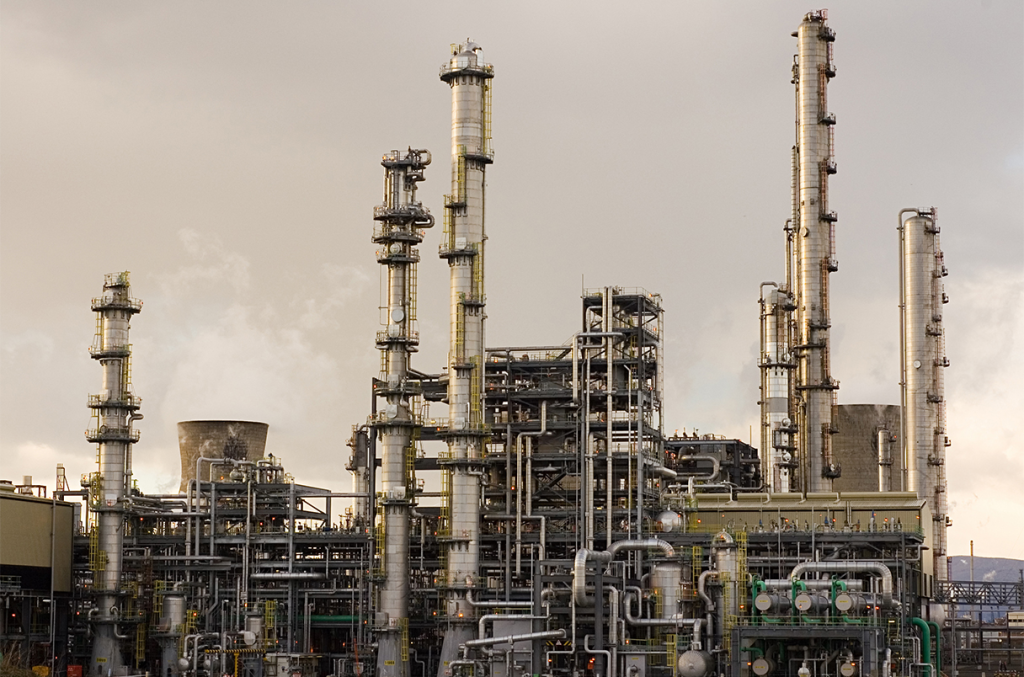
Pakistan’s oil refining industry is moving toward a major transformation, with five domestic refineries preparing investment plans worth an estimated $4.5 billion to $5 billion. The proposed projects focus on increasing refining capacity, producing cleaner fuels, reducing furnace oil output and upgrading facilities to meet modern fuel standards. The development follows amendments to the government’s […]
Pakistan Plans Major Reforms to Transform Construction Industry
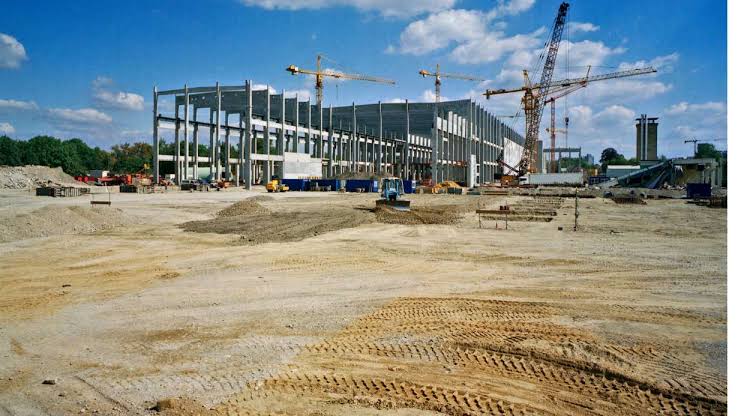
Pakistan is preparing to introduce a broad set of reforms aimed at improving the country’s construction industry, with the proposed establishment of a Construction Industry Development Board (CIDB) at the center of the initiative. The government is also examining the possibility of creating a dedicated Construction Development Bank (CDB) to address financing challenges faced by […]
FBR Announces Stricter Customs Penalties for Delayed Clearance of Goods
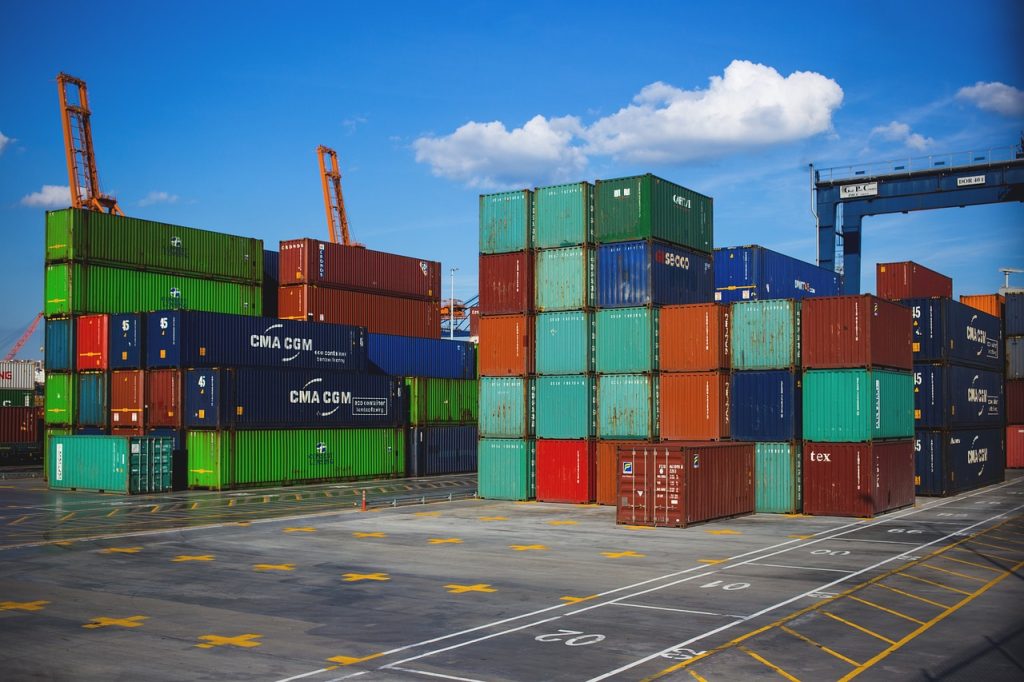
The Federal Board of Revenue (FBR) has introduced a revised penalty regime to address delays in customs declarations, clearance and export of goods. The new measures will take effect from October 1, 2026, and can impose fines of up to Rs1 million per case. The changes are aimed at encouraging traders to complete customs procedures […]